

Sarah Wright first heard about the CSE mentorship program during the 2024 CSE annual meeting. She had already been volunteering with the organization when the program caught her attention. “I was attending the new member breakfast at the meeting in Portland, and there were different mentors and mentees sharing their experiences,” she recalls. “I thought, that sounds really cool, so I immediately applied.”
By then, Wright had spent a couple of years as an Associate Editor for the Journal of the American Veterinary Medical Association (JAVMA) and the American Journal of Veterinary Research (AJVR) and was looking to deepen her knowledge of the wider field. Mentorship, she felt, could offer what networking alone could not: structure, feedback, and a steady exchange of ideas.
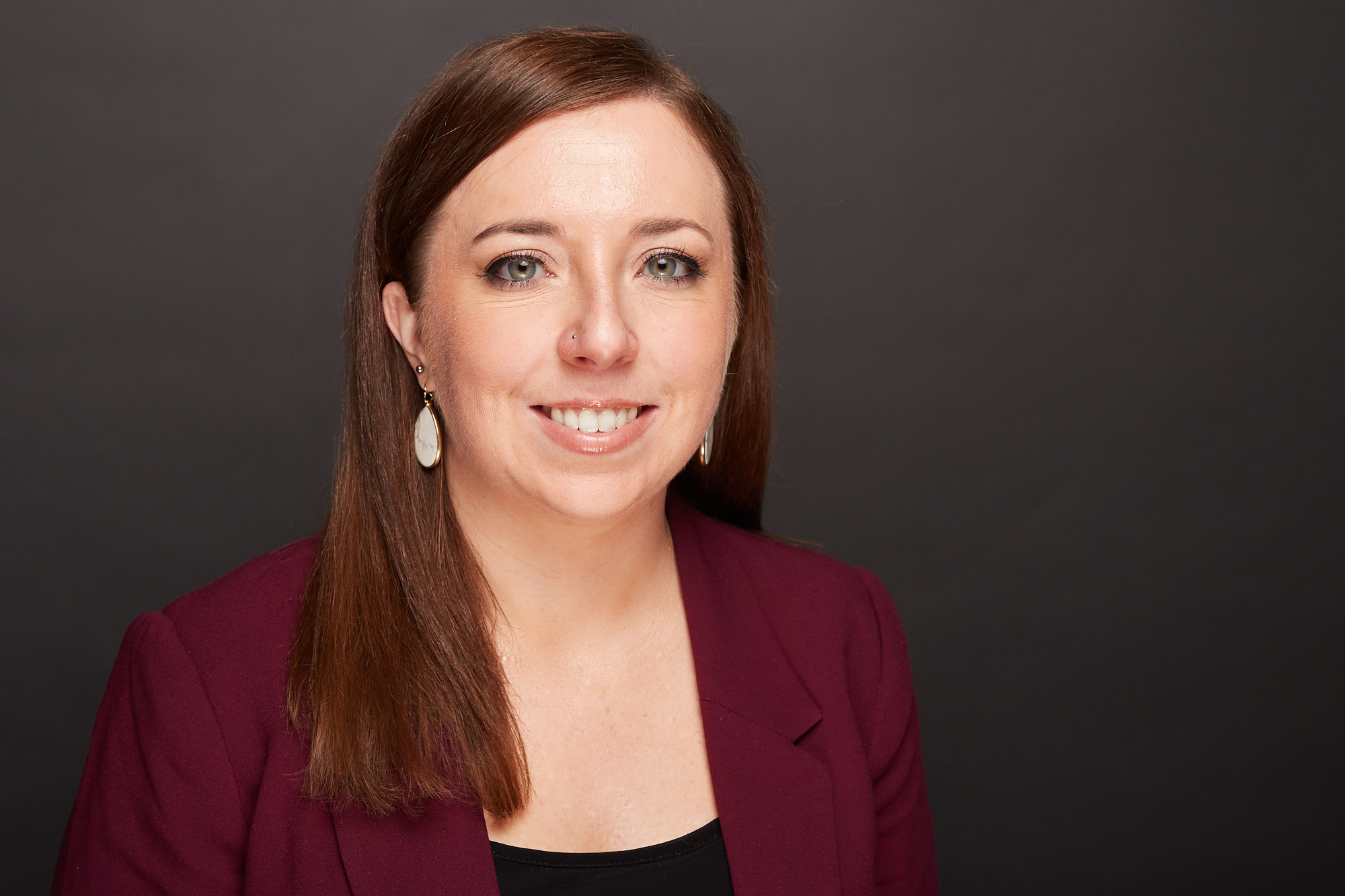
She was paired with Mary K Billingsley, ELS, managing editor at the American Academy of Child and Adolescent Psychiatry and CSE past president. For Billingsley, mentorship is about connection rather than hierarchy. “It’s not about creating a clone of myself,” she says. “It’s about understanding someone’s interests and helping them expand the avenues they might pursue.”
Together, they built a partnership that became as much about collaboration as it was about guidance.
Structured But Flexible
CSE’s mentorship program offers a clear framework1 while allowing each pair to shape it around their goals. Participants are given broad guidelines to stay on track and make the most of the experience. Wright says those expectations helped her stay accountable and intentional about her growth. The program, she explains, “has a set of guidelines and ways to hold yourself accountable so you’re optimizing your chances for professional development.”
At the same time, she describes the experience as “a bit of a choose-your-own-adventure”—one that depends on the mentee’s goals and interests. For Wright and her mentor, that meant identifying specific goals, testing them in practice, and exchanging resources. Wright says those conversations introduced her to new professional networks that now help her stay aware of publishing trends she can bring back to her team.
Full Circle
The mentorship also helped Wright navigate practical challenges. During the program, Wright often discussed upcoming projects with her mentor to get advice on how to contribute more effectively. One example was the request for proposal (RFP) process, a business procedure in which organizations invite vendors to submit bids for specific services.
“I didn’t even know what an RFP stood for at the time,” Wright says. “But I knew it was coming down the pipeline, and I wanted to be ready.” Billingsley guided her through the process and encouraged her to turn the experience into a learning opportunity. She suggested that Wright organize an educational session on RFPs for the CSE annual meeting, where she could explore the topic from multiple perspectives, including those of publishers, consultants, and vendors.
“I think that was a great outcome of our mentorship,” Wright says. “Not only did I learn about RFPs, but I was able to share that knowledge with others. And I learned even more from my speakers, which was the intention behind it.”
For Billingsley, this was exactly what mentorship should do: help mentees bring their work and volunteer experiences together. “Something I try to convey to my mentees,” she says, “is that leveraging your volunteer work with CSE to enhance your learning opportunities for your day job is a great way to make it come full circle. You can organize a webinar or a session on a topic that’s relevant to your work, and in the process, you learn even more.”
Mutual Learning
For Billingsley, mentoring Wright was as much a learning experience as a teaching one. She says every mentee brings a new perspective, shaped by their own environment and professional background. “Sarah came in with a different set of experiences,” Billingsley says. “She knew things I didn’t, especially about communication and social media, and I learned a lot from her.”
After learning how Wright managed social media for JAVMA and AJVR, Billingsley began applying some of those ideas to her own journals.
Through their conversations, Billingsley also began to reflect on her own mentoring style. Working with different mentees over the years, she has found that effective mentorship depends on listening as much as advising. “Every mentee is different,” she says. “You learn things from them, and you also learn about your own approach to mentoring—when to give direction and when to step back.”
Advice for Future Mentors and Mentees
Both Wright and Billingsley see mentorship as an opportunity to grow beyond one’s comfort zone. Billingsley acknowledges that the idea of entering such a relationship can be intimidating, whether you’re giving or receiving feedback. She encourages editors to take the leap anyway.
“Even if it seems a little outside your comfort zone, people should sign up,” she says of the opportunities CSE offers. “Don’t just be a passive member of your organization. Volunteer, use it for what it’s there for. It’s easy to feel siloed, but maintaining those connections can be meaningful and sustaining.”
For Wright, curiosity and humility are just as essential. She believes that progress begins with being willing to admit what you don’t know. “One of the most dangerous things you can do is think you’re right when you’re wrong,” she says. “It’s okay to say, ‘I don’t know,’ and to seek help. That’s the value of formal mentorship—it helps you learn what you didn’t know and make better decisions moving forward.”
References and Links
- Baskin PK. The CSE mentorship program: opportunities for giving back or benefitting from experiences of others. Sci Ed. 2022;45:54–58. https://doi.org/10.36591/SE-D-4502-54.
Mouttasem Albarodi is a graduate student in science and technology journalism at Texas A&M University.